Stopping a sales chatbot from inventing answers
A chatbot that invents a discount creates a real obligation. Four controls that keep answers tied to your data.

Why this matters more in commerce
A hallucination in a demo is embarrassing. A hallucination in a storefront is a commitment. If a bot tells a customer there is a 30 percent discount, you are in an argument about whether you must honour it.
Four controls that actually help
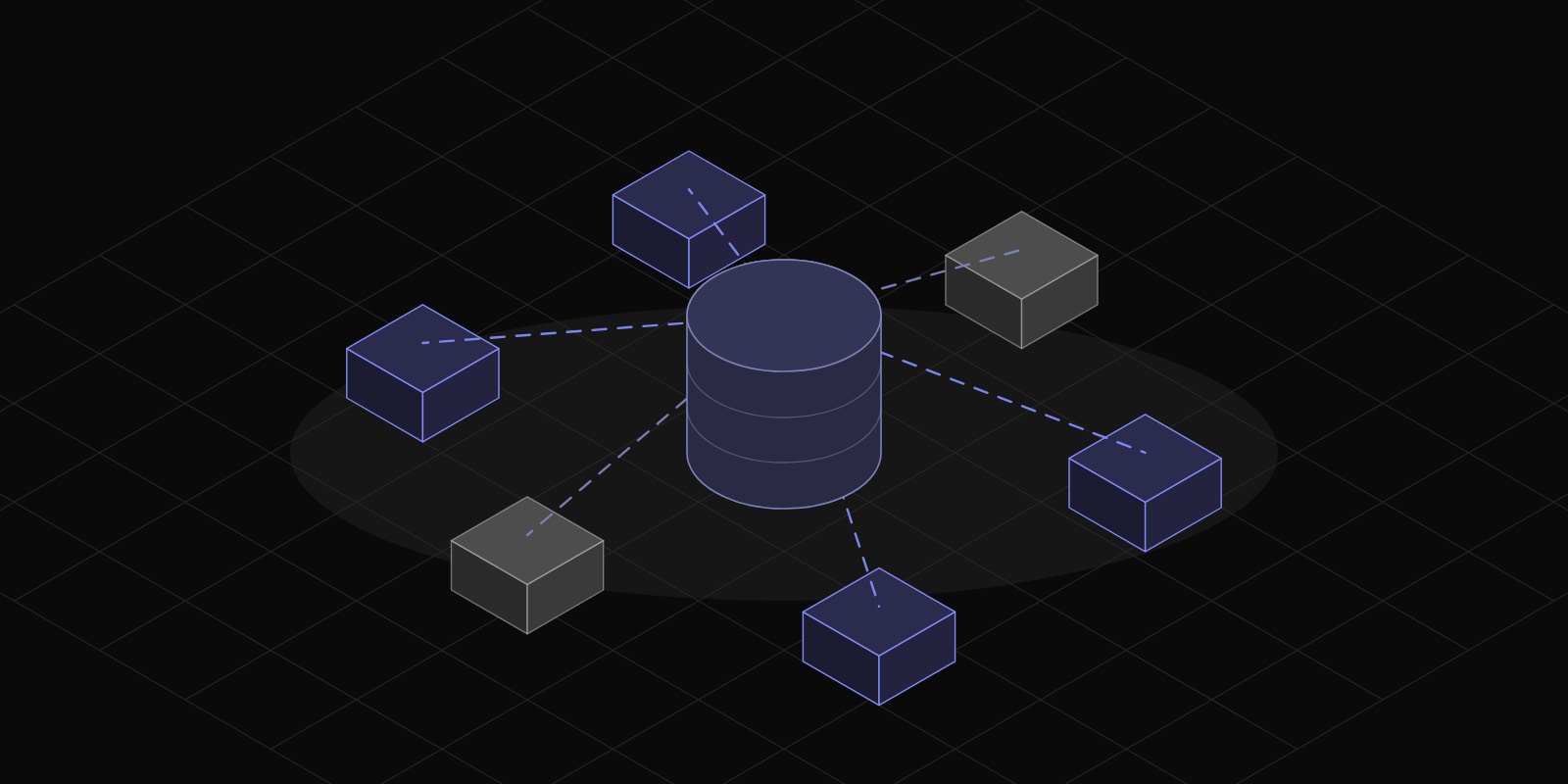
Ground every factual claim. Price, stock, shipping time and policy come from your database at request time, never from model memory. If the retrieval step returns nothing, the bot says it does not know. That sentence is a feature.
Constrain the output shape. When the bot proposes a product, have it return an identifier your backend resolves, not a name and price it typed out. The backend fills in the real numbers. A model cannot misquote a price it never wrote.
Separate answering from acting. Reading the catalogue is low risk. Applying a discount, changing an address or cancelling an order is not. Actions go through your own validation, with the same rules a web form would enforce.
Log the retrieval, not just the reply. When something goes wrong you need to know which documents the model saw. Without that you are guessing.
The honest limit
None of this reduces hallucination to zero. It moves the failure from "invented a fact" to "said it did not know", which is a failure you can live with.
Our AI Chat for E-Commerce is built on exactly these constraints: product data is resolved server-side, and checkout actions run through the same validation as the storefront.
ToolGo Team
Product & Engineering
We build practical SaaS tools and write about what we learn — from product decisions to technical deep-dives.