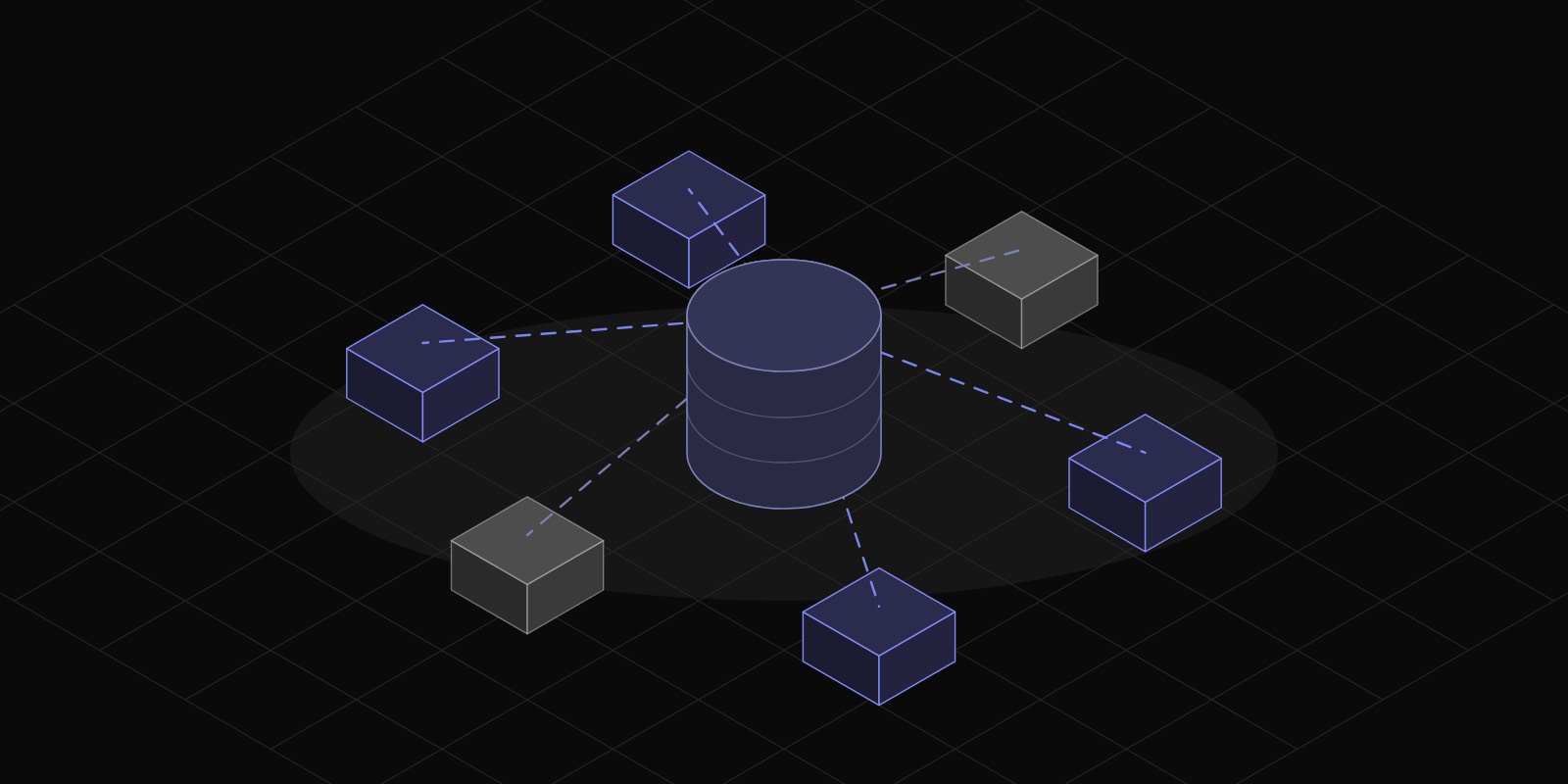
Do you need an AI agent, or just a workflow?
If you can draw the steps in advance, you do not need an agent. You need a workflow with a model in one box.
The distinction that matters
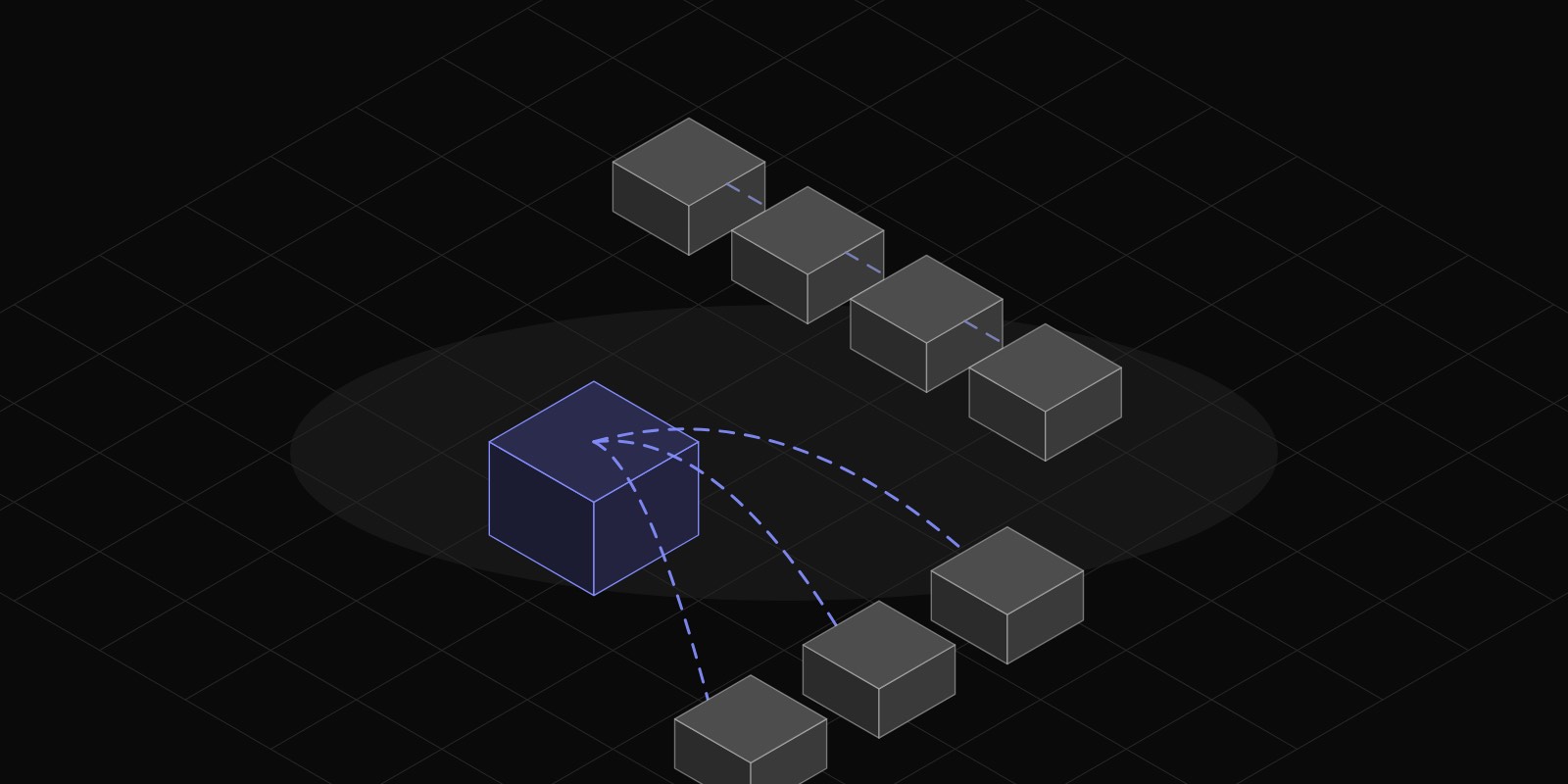
A workflow has steps you decided in advance. A model may sit inside one of those steps, but the path is fixed. An agent decides its own next step at runtime.
That difference sounds small. It is the difference between a system you can test and a system you can only observe.
Most problems are workflows
Extract fields from an invoice, then validate, then write to the database. Classify a support message, then route it. Translate, then check terminology, then publish. Every one of these has a known shape. Making the model choose the order adds cost and removes your ability to predict behaviour, in exchange for nothing.
When an agent earns its complexity
Agents make sense when the number of possible paths is genuinely large and unknowable in advance, and when the cost of a wrong path is low and recoverable. Open-ended research over an unknown document set is a reasonable case. Processing a refund is not.
If you do build one, constrain it
- Give it a small set of tools, each one narrow and individually safe.
- Cap the number of steps. Loops are how agents get expensive.
- Require human approval for anything that moves money or changes a record.
- Log every decision, not just the result.
The practical advice
Start as a workflow. If you hit real cases the fixed path cannot handle, and you can name them, then consider making that one step adaptive. Starting with an agent because it sounds more capable is how projects end up unpredictable and slow to debug.
ToolGo Team
Product & Engineering
We build practical SaaS tools and write about what we learn — from product decisions to technical deep-dives.