Guardrails for AI that talks to your customers
Internal tools can fail quietly. Customer-facing AI fails in public, so the controls have to be different.

The change in stakes
An internal summariser that gets something wrong wastes a few minutes. A customer-facing assistant that gets something wrong creates a screenshot, a complaint, and sometimes a legal position. The engineering is similar; the risk profile is not.
What to put in place
A scope boundary. Decide in writing what the assistant is allowed to discuss. Anything outside gets a handover to a human, not an attempt. Assistants that try to be helpful about everything are the ones that say something you have to retract.
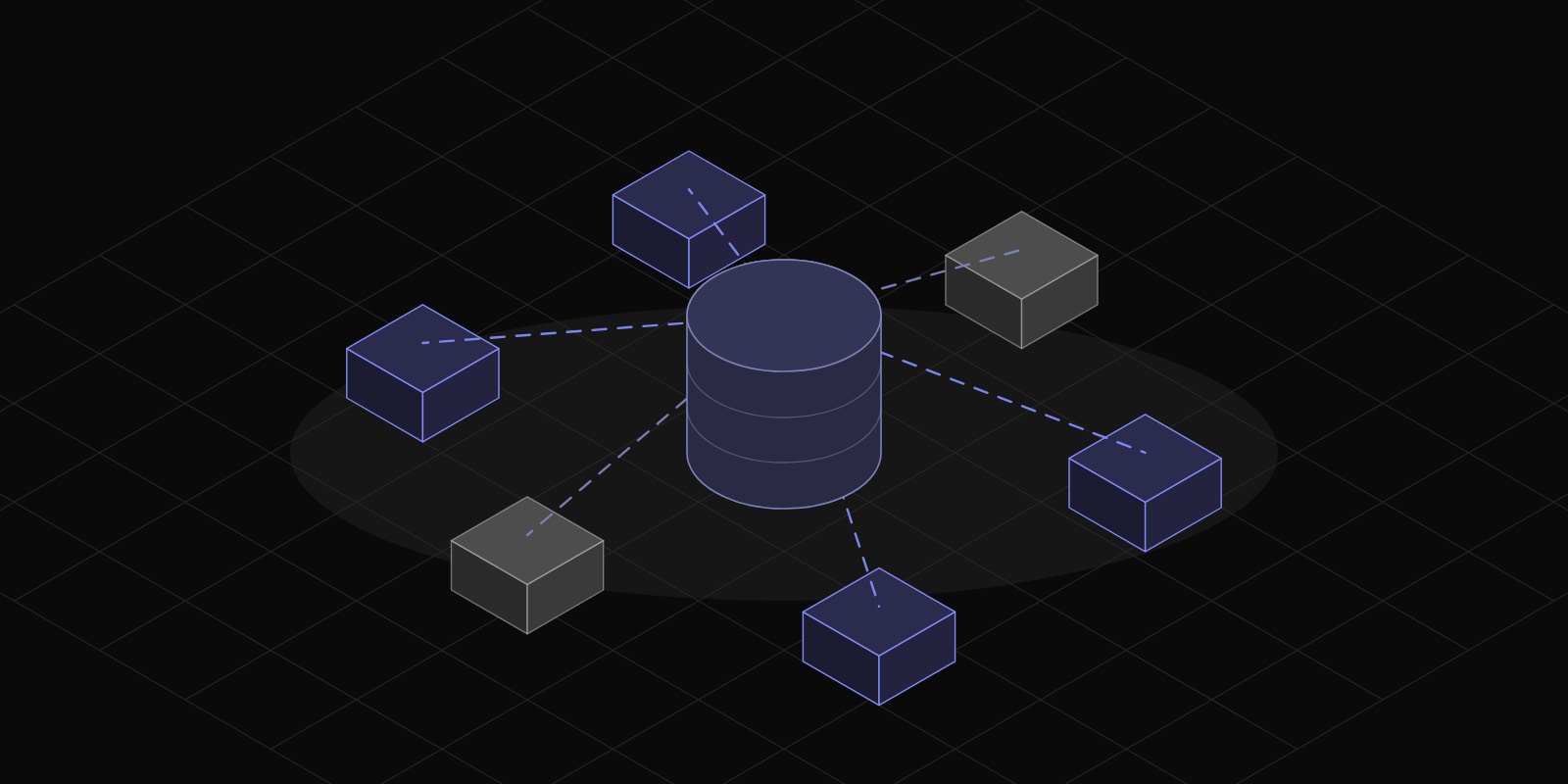
No commitments without a system of record. Prices, delivery dates, warranty terms and refund eligibility come from your systems. If the system cannot answer, the assistant says so.
A visible handover. Customers tolerate a bot that says "let me get a person" far better than one that loops. Make the exit obvious and always available.
Retention you can explain. Conversations often contain personal data. Decide what you keep, for how long, and on what legal basis before launch, not after the first request to delete it.
Test with hostile input
Before launch, have someone genuinely try to make the assistant promise a discount, reveal another customer's order, or agree to a policy you do not have. If nobody has tried, you have not tested it.
ToolGo Team
Product & Engineering
We build practical SaaS tools and write about what we learn — from product decisions to technical deep-dives.